Rock landscaping is a popular choice for many homeowners due to its low maintenance and aesthetic appeal. The use of rocks can transform a dull outdoor space into a stunning oasis. However, one concern that often arises is does rock landscaping attracts bugs. While it is true that insects are naturally drawn to areas with moisture and vegetation. But rock landscaping does not attract bugs. In fact, Rock landscaping can actually help deter bugs in some ways. The absence of organic matter in rock gardens reduces the availability of food sources for bugs, making it less attractive for them to inhabit. Additionally, rocks absorb heat during the day and release it at night. This factor creates an inhospitable environment for many insects. However, it is important to note that some bugs may still be attracted to certain types of rocks or if there are nearby water sources. Understanding the potential risks and taking necessary precautions can help homeowners enjoy the benefits of rock landscaping without worrying about unwanted pests. In this post I will talk about in detail about this topic and also talk about some best idea to deter bugs from rock landscaping gardens.
Does rock landscaping attract bugs
As I already said rock landscaping does not attract bugs. But there are some cases when bugs can be attracted in a rock landscaping area. so here I will talk about some of the way to avoid bugs in the landscaping area.
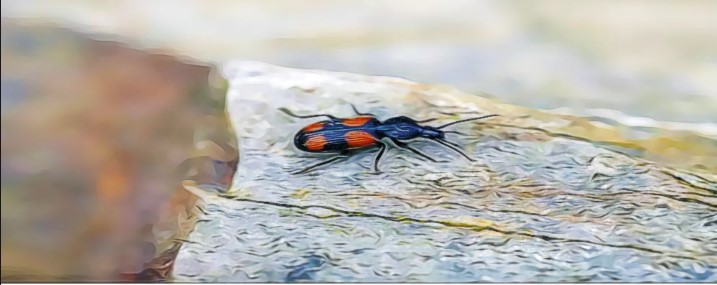
Having bugs infesting our landscaping stones can be a nuisance and can potentially damage the beauty of our outdoor space. Fortunately, there are several effective methods to deter bugs from your landscaping stones. In this blog post, I will explore these methods and provide you with practical solutions to keep your stones bug-free.
1. Clean and Remove Debris Regularly

One of the simplest yet effective ways to deter bugs from our landscaping stones is by regularly cleaning and removing debris. Bugs are attracted to food particles, decaying leaves, and other organic matter that may accumulate on your stones. By keeping the area clean and free from debris, we can significantly reduce the chances of bugs infesting in our stones.
2. Use Natural Bug Repellents

There are various natural bug repellents that can help keep bugs away from your landscaping stones. Some common options are citronella oil is known for its bug-repelling properties. we can use citronella candles or torches near your stones to create a bug-free zone. Besides this certain essential oils such as lavender, peppermint, and eucalyptus are natural bug repellents. Dilute these oils with water and spray the mixture on the landscaping rock area can reduce the risk of bug attack.
3. Install Bug-Repelling Plants

Another great way to deter bugs from our landscaping stones is by planting bug-repelling plants nearby. Some plants naturally repel bugs due to their strong scent or chemical properties. Consider adding the marigold plants can help to deter bugs. Marigolds have a strong scent that repels many common garden pests. additionally, Lavender not only adds beauty to our garden but also repels mosquitoes and moths.
4. Create a Barrier
Creating a physical barrier around your landscaping stones can prevent bugs from accessing them. For example, you can use fine mesh or netting to cover the area where the stones are placed. This will make it difficult for bugs to reach the stones and discourage them from infesting the area.
5. Seek Professional Help

If you have tried various methods but still find bugs infesting your landscaping stones, it may be time to seek professional help. Pest control experts can assess the situation and provide targeted solutions to eliminate bugs from your outdoor space.
What types of insects can survive in landscape gravel
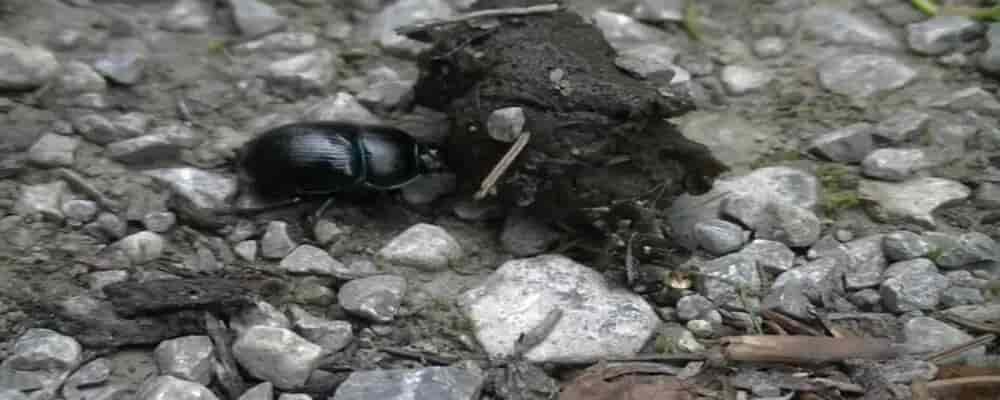
Insects can indeed survive in landscape gravel, despite it not being the most favorable environment for them. Their adaptability and resourcefulness enable them to thrive even in challenging conditions. Insects like ground beetles and ants can burrow into the crevices between gravel particles, creating tunnels for protection and moisture access. They can regulate their body temperature and moisture levels, using the gravel as a heat sink or seeking shelter within its layers. While landscape gravel may lack organic matter and vegetation, insects can utilize whatever resources are available to them. However, it’s important to consider both the positive and negative implications of insects in landscape gravel. They may contribute to ecosystem balance but could also pose challenges like plant damage. Ultimately, insects’ ability to adapt and survive allows them to find a niche in seemingly inhospitable surroundings.
Which Is Better: Rocks or Mulch
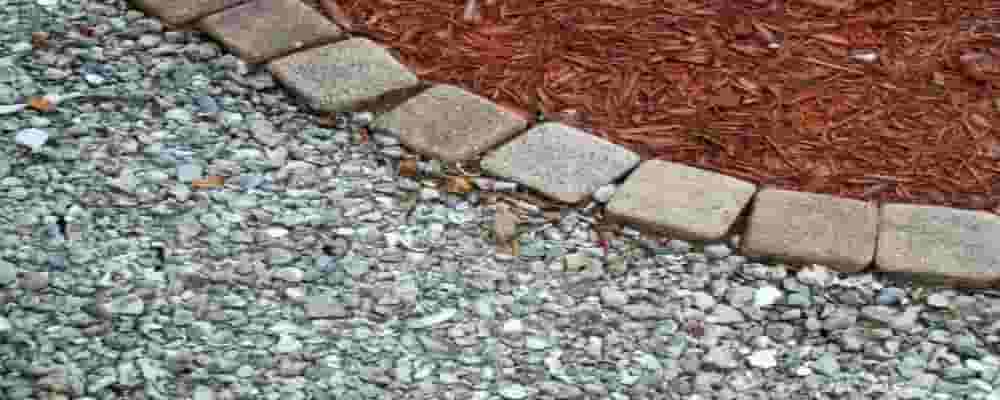
When it comes to landscaping materials, the choice between rocks and mulch can be a challenging decision to make. Both rocks and mulch have their own unique advantages and disadvantages that need to be considered. Rocks, for instance, offer a natural and durable option that can withstand harsh weather conditions. They also provide a low-maintenance solution as they do not need to be replaced or replenished frequently. On the other hand, mulch offers its own set of benefits. It helps to retain moisture in the soil and suppresses weed growth effectively. Mulch also breaks down over time, enriching the soil with essential nutrients. Ultimately, the decision between rocks and mulch boils down to personal preference and the specific needs of your garden or landscape. It is important to carefully evaluate the pros and cons before making a choice that suits your aesthetic taste and functional requirements.
Pros and Cons of Landscaping Rocks
Landscaping rocks offer a range of benefits. From low maintenance and water conservation to potential challenges such as heat retention and limited planting options, it’s crucial to weigh these factors carefully. The longevity and weed control advantages of rocks are some of the best parts of landscaping rock. This advantage outweighs the initial cost and installation challenges they pose. By understanding the pros and cons of landscaping rocks, we can make an informed decision about whether they are the ideal choice for your landscaping or not. So let’s check some of the pros and cons of landscaping rocks.
Pros of Landscaping Rocks
Low Maintenance
Landscaping rocks require minimal upkeep compared to plants and grass.
Water Conservation
They help conserve water by reducing the need for irrigation.
Longevity
Rocks are durable and can last for many years without needing to be replaced.
Weed Control
They can help suppress weed growth, reducing the need for herbicides.
Cons of Landscaping Rocks
Heat Retention
Rocks can absorb and retain heat, potentially raising the temperature of the surrounding area.
Limited Planting Options
They may limit the variety of plants that can be grown in the landscape.
Initial Cost
The initial investment in landscaping rocks can be higher than other materials.
Installation Challenges
Properly installing rocks requires careful planning and may be labor-intensive.
FAQ
Do Rocks Attract Ants?
Rocks do not typically attract ants. Ants are attracted to food sources, moisture, and shelter, rather than inanimate objects like rocks. Ants are more likely to be found near areas with food debris or organic matter, such as kitchens, gardens, or trash bins. They are also attracted to areas with water sources or damp environments. Rocks, on the other hand, do not provide any of these attractants for ants. However, it is worth noting that ants may use rocks as part of their habitat or for building their nests. They may also use rocks as pathways or landmarks in their foraging activities. Overall, while rocks themselves do not attract ants
Does Lava Rock Attract Termites?
Lava rock does not attract termites. Termites are attracted to wood and cellulose-based materials, not rocks. Lava rock is a type of volcanic rock that is commonly used in landscaping and gardening due to its durability and ability to retain heat. It is not a food source for termites and does not provide the necessary conditions for them to thrive. However, it's always important to ensure that there are no other wood-based materials in close proximity to the lava rock that could potentially attract termites.
Do Rocks Attract Rodents & Other Critters?
Rocks themselves do not attract rodents and other critters. However, rocks can provide hiding places for small animals like mice and insects. Additionally, rocks can create a suitable environment for certain vegetation, which may in turn attract animals seeking food or shelter. Proper maintenance and landscaping can help minimize potential habitats for unwanted critters around rocks.
Do Rocks Actually Prevent Pests?
Rocks can act as a physical barrier to pests, making it more difficult for them to access plants and soil. Additionally, larger rocks can create an inhospitable environment for certain pests to establish themselves. However, the effectiveness of rocks in pest prevention may vary depending on the specific type of pest and the local environment. It's often used in combination with other pest control methods for best results.
Does gravel mulch draw insects?
Gravel mulch generally doesn't attract insects as it doesn't provide the same organic matter or moisture that traditional mulches do. Since insects often seek out decaying organic matter for food and shelter, gravel mulch is less appealing to them. In fact, it can act as a deterrent to some pests due to its dry and rocky nature. However, some insects may still be found in the soil beneath the gravel, especially if there are plants nearby that attract them.
Last Words
I believe after reading this article you get your following question answer “Does rock landscaping attract bugs or not?” in this post, I try to clarify that rock landscaping does not inherently attract bugs due to the absence of organic matter and the inhospitable environment created by rocks. However, it acknowledges that some bugs may still be attracted to certain types of rocks or nearby water sources. But I believe if as a gardener and novice landscaper if you just follow the tips that are given here about how to deter bugs from our landscaping stones you can always make your landscaping area bug-free.