So, I was chopping away at my Bermuda grass last Saturday, thinking this could either be a therapeutic endeavor or a scene from a comedic Bermuda Triangle lawn special. If you’re like me, part-time gardener and full-time jester, you know how this grass can grow faster than a tall tale. It’s like the Usain Bolt of lawns—relentlessly speedy!
Bermuda grass originated somewhere in Africa, I think, where it first flourished under the warm sun. Fascinatingly, it can shoot up to four inches in just a week if left unchecked—talk about needy. My secret weapon? Keep those blades sharp and never underestimate the importance of a good trimmer. Trust me, you’ll thank yourself on a cool evening when the lawn is a neatly trimmed oasis rather than a jungle. Cheers to those who regularly conquer this fierce turf!
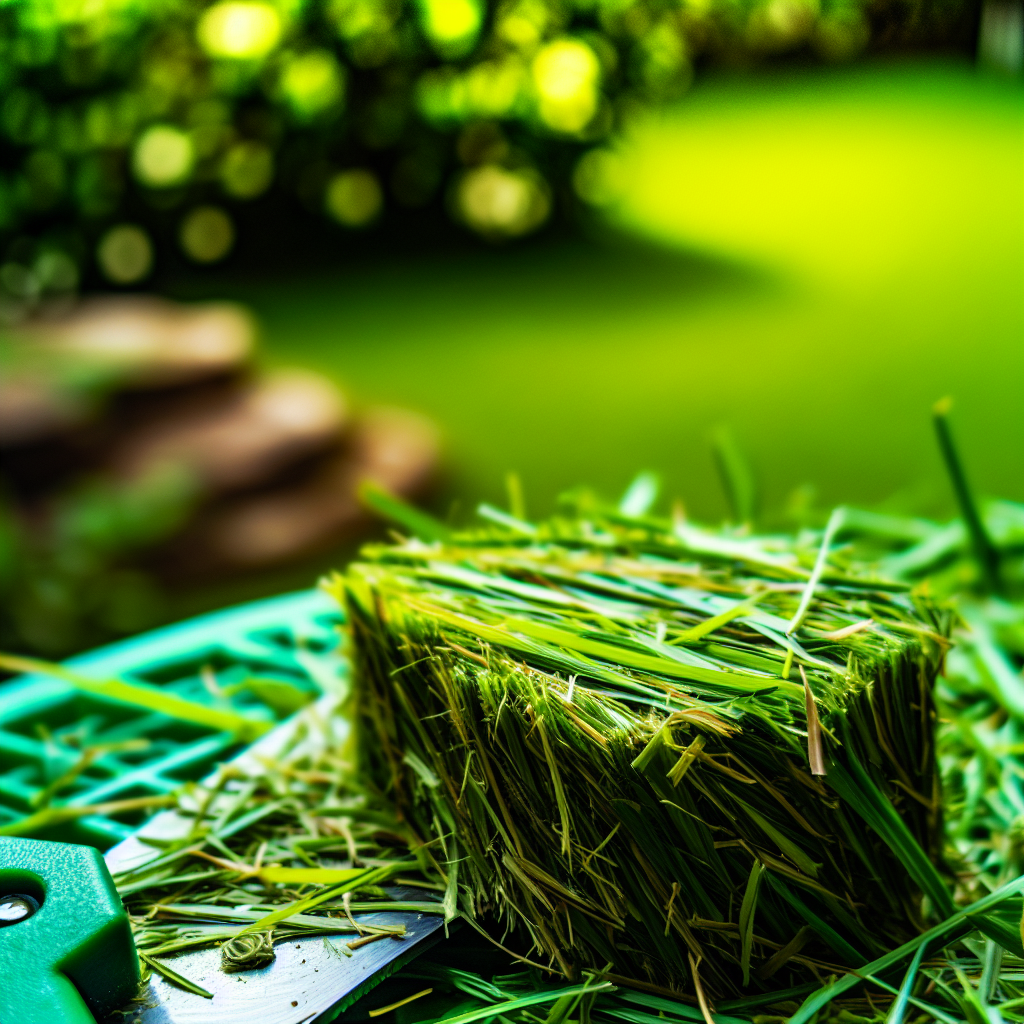

The Bermuda Grass: A Brief Background
Bermuda grass, also known as Cynodon dactylon, originally hails from Africa but has taken over lawns worldwide. It’s known for its resilience and ability to thrive in hot, sunny environments, making it a favorite among homeowners. This robust turf can spread faster than gossip at a family reunion!
Once used mainly for grazing cattle, Bermuda grass has found a new home in sports fields and residential lawns. Thanks to its thick, dense growth pattern, it’s excellent at preventing soil erosion. However, that same quality makes it quite a task to keep in check.
This grass species excels in warm climates and can endure extreme heat, making it prevalent in southern states. Blessed with a rapid growth rate, it can easily grow several inches in just a week. It also has a deep root system, making it drought-tolerant.
One of the fascinating traits of Bermuda grass is its ability to regenerate quickly from damage. This makes it ideal for high-traffic areas like playgrounds and sports fields. But be warned, if not managed properly, it can outshine your tulips and take over your garden.
Recognizing the Need to Cut Bermuda Grass
Recognizing the need to cut Bermuda grass is key to maintaining a healthy lawn. This fast-growing grass can turn your yard into a jungle if left unchecked. Regular cutting helps keep it manageable and prevents it from taking over other plants.
Benefits of Regular Cutting
Regular mowing not only keeps the grass short but also promotes healthier, denser growth. According to this expert opinion, maintaining a consistent height helps discourage weeds and pests. Plus, a well-tended lawn is easier on the eyes and provides a welcoming space.
By cutting Bermuda grass regularly, you also reduce the chances of thatch buildup. Thatch is a layer of dead grass that can suffocate your lawn if it gets too thick. Keeping the grass cut ensures better sunlight and air circulation.
When you mow consistently, you help your lawn stay green and lush. The grass’s ability to photosynthesize improves, providing it with more energy. In essence, you’ll have a much healthier lawn overall.
Proper Tools for the Job
Having the right tools can make a world of difference when cutting Bermuda grass. A sharp mower blade is essential for a clean cut, as dull blades can cause damage. You might also need a good trimmer for edges and hard-to-reach areas.
Investing in quality equipment is worth it for the results you’ll get. Not only will your lawn look better, but well-maintained tools can also make the job easier and quicker. This means less time mowing and more time enjoying your yard.
For those who like to stay on top of their game, robotic mowers are also an option. These gadgets can keep your lawn in check without much effort on your part. It’s a nice investment if you have a busy schedule.
Signs It’s Time to Mow
One clear sign that your Bermuda grass needs a cut is when it starts to look shaggy and overgrown. Grass blades over 3 inches long should be trimmed down. Height isn’t the only factor, though; color changes can also signal the need for a mow.
If the grass looks pale or yellowish, it’s usually a sign of stress and might need to be cut to rejuvenate. Pay attention to growth patterns—quick growth spurts typically occur after rain. Keeping an eye on these signs can help you decide when it’s time to mow.
Another good indicator is how your lawn feels to walk on. If it’s feeling springy and you can’t see your shoes, it’s definitely time to get out there with the mower. Why not take a break from your screen and give your yard some love?
The Ideal Height for Bermuda Grass
Maintaining the ideal height for Bermuda grass is crucial for a healthy lawn. The recommended height is usually between 1 to 1.5 inches. This height helps the grass stay dense and lush.
If you let Bermuda grass grow too tall, it can become prone to disease and pests. Overgrown grass can also lead to thatch buildup, which blocks sunlight and water. Keeping it short helps avoid these issues.
Trimming Bermuda grass to the right height also promotes better air circulation. This can prevent fungal problems that thrive in damp, shaded areas. A lawn that breathes well is less likely to suffer from disease.
Sticking to the ideal height ensures your lawn looks uniform and neat. This simple practice can turn a scraggly yard into a carpet of green. Your grass will thank you with healthier, stronger blades.
Equipments Required for Cutting Bermuda Grass
When it comes to cutting Bermuda grass, having the right tools can make all the difference. The most essential tool is a lawnmower. Powered mowers are particularly effective for Bermuda grass due to its dense texture.
Sharpen your lawnmower blades regularly for a clean cut. Dull blades tear the grass rather than cut it, which can lead to diseases. Mower maintenance is just as crucial as the mowing itself.
A quality string trimmer is also handy for reaching those tricky spots. You know, the ones that seem to attract more weeds just because you can’t get to them easily. Edge trimmers help keep your lawn looking polished and neat.
Don’t forget about a good pair of gardening shears. While not used as often, they’re perfect for detail work and small patches. Shears let you trim areas that even a string trimmer can’t reach.
If you’re really serious, consider a dethatching rake. Thatch buildup is a common problem with Bermuda grass. A dethatching rake can help you remove this layer and keep your lawn healthy.
For those who want to sit back and relax, robotic mowers are a viable option. These little gadgets handle the mowing for you, ensuring a consistent cut. It’s a luxury for sure, but one worth considering if you have a busy lifestyle.
The Right Time to Cut Bermuda Grass
Timing is everything when it comes to cutting Bermuda grass. The best time of day for mowing is early morning or late afternoon. This avoids the scorching heat of midday, which can stress the grass.
Mowing once a week during its peak growing season, usually late spring through summer, is ideal. Cutting too frequently can harm the grass, while infrequent mowing can lead to overgrowth. Maintaining a balance is crucial.
Seasonal changes also play a role in determining the best time to mow. During the cooler months, Bermuda grass growth slows down, and cutting it every two weeks should suffice. Adjust your mowing schedule according to the weather.
Right after rain might seem like a good time to mow, but it’s not. Wet grass can clog your mower and lead to uneven cuts. So, wait until the grass is dry for the best results.
Observe your lawn’s needs and growth patterns. If the grass looks long and shaggy, it’s ready for a trim. Keeping an eye on these signs will ensure your Bermuda grass stays healthy and vibrant.
Proper Techniques to Cut Bermuda Grass Efficiently
One of the first things to remember is to always mow with sharp blades. Sharp blades ensure a clean cut, which can prevent disease and pest problems. Dull blades tear the grass and leave jagged edges that can invite trouble.
Adjust your mower height to about 1 to 1.5 inches for the best results. This setting helps maintain the optimal height for Bermuda grass. Remember, cutting more than one-third of the grass blade at a time can stress the plant.
Change up your mowing pattern each time you mow. This prevents the grass from leaning in one direction and reduces soil compaction. Varied directions help your lawn look fuller and more even.
| Technique | Benefit |
|---|---|
| Mowing with sharp blades | Prevents disease and pest problems |
| Adjusting mower height | Maintains optimal grass height |
| Changing mowing pattern | Prevents grass leaning and soil compaction |
Don’t mow when the grass is wet, as it can clog your mower and cause uneven cutting. Wait until the grass is dry to make sure you get the best possible cut. Wet grass can also lead to clumping and an uneven lawn.
Last but not least, keep your mower in good condition. Regular maintenance like oil changes and checking the blades can enhance its performance. A well-maintained mower ensures a healthier and better-looking lawn.
Maintenance Tips Post Cutting Bermuda Grass
After you’ve cut your Bermuda grass, there’s still some work to ensure it remains healthy. First off, waste no time in removing any clippings left on the lawn. These can smother the grass beneath and lead to thatch buildup.
Watering is crucial after cutting. Give your lawn a good soak to help it recover from the stress of mowing. Aim for about an inch of water for deep penetration into the soil.
Feeding your lawn with fertilizer post-mowing can also do wonders. Use a balanced fertilizer to encourage healthy growth and richer color. Make sure to follow the application instructions closely.
- Remove all clippings
- Water generously
- Fertilize as needed
- Aerate annually
- Check for pests and diseases
Aeration is another excellent practice that helps keep your Bermuda grass in top condition. Aerate once a year to reduce soil compaction and improve air circulation. It’s especially beneficial if your lawn faces heavy foot traffic.
Keen observation goes a long way in maintaining your Bermuda grass post-cutting. Keep an eye out for signs of pests or disease, so you can tackle them early on. Regular inspection ensures any issues are addressed promptly, keeping your lawn lush and green.
Making the Cut: Turning the Challenge into a Reward
Cutting Bermuda grass can seem daunting, but it can also be incredibly rewarding. A well-mowed lawn not only looks great but feels satisfying under your feet. Knowing you’ve put in the effort makes all the difference.
One way to make mowing a rewarding task is by setting small goals. Aim to tackle one section of the lawn at a time rather than the entire yard. This approach makes the job feel less overwhelming.
Listening to music or a podcast while mowing can also make the task more enjoyable. It turns a potentially monotonous chore into a time for relaxation and entertainment. Before you know it, the job is done, and the lawn looks impeccable.
Think of cutting Bermuda grass as a good workout. It’s a great way to get some exercise while being outdoors. Plus, you’ll have earned that ice-cold drink waiting for you afterward.
Reward yourself for a job well done. Take a moment to sit back and appreciate the beauty of your neatly cut lawn. Enjoy the fruits of your labor—a green, vibrant, and healthy yard that you can be proud of.
Key Takeaways
- Cut Bermuda grass once a week during peak growing season.
- Use sharp mower blades for a clean cut.
- Mow early morning or late afternoon to avoid stress on the grass.
- Tackling small sections at a time makes mowing less overwhelming.
- Enjoy and reward yourself for maintaining a neat, healthy lawn.

Frequently Asked Questions
Here are some common questions experts have about taking care of Bermuda grass. We hope these answers make your lawn care a bit easier and more fun!
1. How often should I water Bermuda grass?
Bermuda grass needs about 1 to 1.5 inches of water each week. Water deeply once or twice a week, rather than shallow watering daily.
If the weather is particularly hot, you may need to water more frequently. Always ensure the soil is moist but not soggy to keep your lawn healthy and green.
2. What type of fertilizer is best for Bermuda grass?
A balanced fertilizer with an equal ratio of nitrogen, phosphorus, and potassium works well for Bermuda grass. Look for something like a 10-10-10 or 15-15-15 mix.
It’s best to fertilize in late spring or early summer when the grass is growing actively. Be sure to follow the package instructions for optimal results.
3. Can I overseed Bermuda grass with another type of grass?
Yes, ryegrass is commonly used to overseed Bermuda grass during cooler months. Ryegrass grows well in cooler temperatures, keeping your lawn green all year round.
The best time for overseeding is in the fall when temperatures start to drop. This way, Bermuda grass will stay dormant until it warms up again in spring.
4. How do I control weeds in my Bermuda grass lawn?
Pre-emergent herbicides can help prevent weed seeds from sprouting in early spring and fall. For existing weeds, spot-treat them with post-emergent herbicides designed for use on lawns.
Mowing regularly at the right height also helps discourage weed growth by minimizing sunlight reaching weed seeds. A thick, healthy turf makes it harder for weeds to establish themselves.
5. Should I aerate my Bermuda grass lawn?
Aerating once a year can greatly benefit your Bermuda grass by improving soil compaction and allowing better air circulation. The ideal time for aeration is during its peak growing season in late spring or early summer.
You’ll notice that your lawn appears healthier after aeration since nutrients can reach the roots more effectively.Your yard will be greener and denser.
Wrapping It Up
Keeping Bermuda grass in check might seem like a chore, but let’s face it, we all enjoy a well-maintained lawn. By using the right tools and cutting techniques, our lawns will not only look great but also thrive. It’s like giving ourselves a pat on the back for a job well done.
Remember, a little effort goes a long way. From proper watering to timely mowing, each step adds up to create a lush, green paradise. So, let’s embrace the challenge and turn it into a rewarding experience!